
 Reading Time: 13 minutes
 Make America Healthy Again: How RFK Jr. Is Changing HHS
This post may contain affiliate links. Read the disclosure.
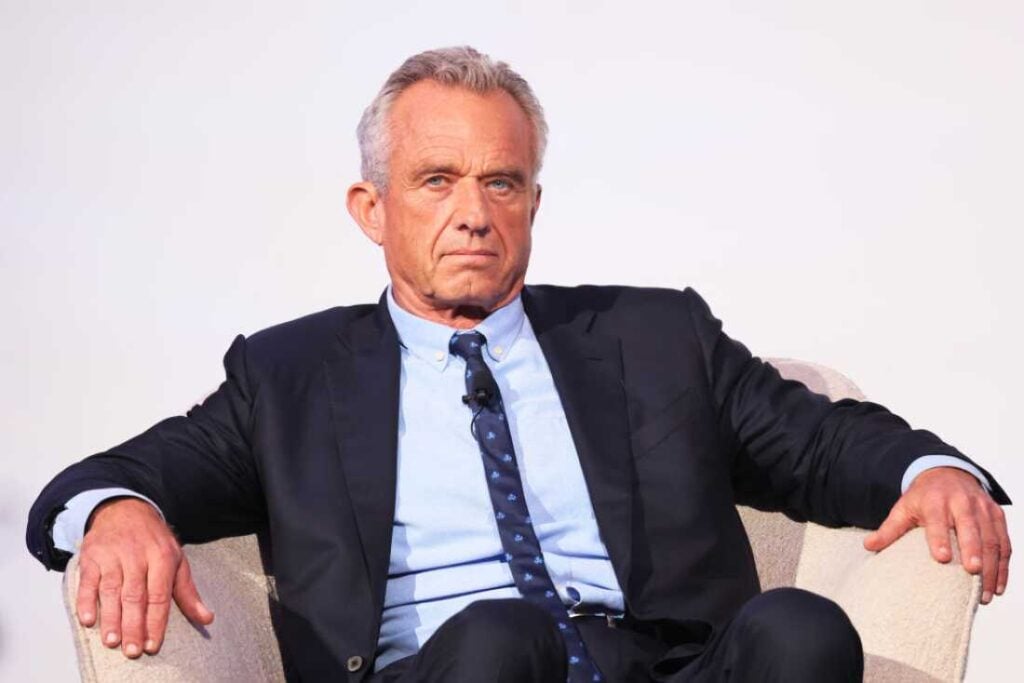
Robert F. Kennedy Jr. is now leading the Department of Health and Human Services, one of the most powerful agencies in the federal government. Under his leadership, HHS has been pushing the “Make America Healthy Again” (MAHA) agenda, with a stronger focus on chronic disease, food policy, and broader changes in public health priorities.
That matters because the health problems HHS is trying to address are enormous. HHS says 6 in 10 Americans have at least one chronic disease, while the Centers for Disease Control and Prevention says chronic diseases are among the leading drivers of the nation’s $4.9 trillion in annual health care costs.
In this article, we’ll look at how Kennedy’s HHS is shifting its focus, where the biggest changes are showing up, and why so many of these moves have sparked intense debate. Some of these changes are already visible in areas like food policy, nutrition, and vaccine oversight, while others are still unfolding.
We also made an earlier article about the expected changes Kennedy could bring to HHS, be sure to check that out too.
Table of Contents
RFK Jr. Is Taking HHS in a New Direction

Robert F. Kennedy Jr. was sworn in as the 26th Secretary of the U.S. Department of Health and Human Services on February 13, 2025. That alone made this more than a political storyline, because HHS oversees major parts of the country’s health system, including Medicare, Medicaid, public health programs, and federal health agencies.
Since taking over, Kennedy has pushed HHS in a more aggressive and more ideological direction than many recent secretaries. The department’s own “Make America Healthy Again” messaging says it is taking “bold, decisive action” to reform America’s food, health, and scientific systems, which shows this is being framed as a broad reset, not just a few policy tweaks.
That shift also shows up in how HHS talks about its mission. Instead of focusing mainly on coverage, care delivery, or emergency response, Kennedy’s HHS has put far more emphasis on chronic illness, food quality, environmental exposures, and what it sees as the root causes of poor health.
Chronic Disease Is Getting More Attention

One of the clearest shifts under Kennedy is how strongly HHS is focusing on chronic disease. The department’s MAHA agenda presents long-term illness as a core national health problem and frames prevention as a bigger priority than it was before.
That change is showing up in the way HHS talks about food, nutrition, environmental exposures, and everyday habits that can affect long-term health. Instead of treating those topics like side issues, Kennedy’s team is putting them much closer to the center of federal health policy.
Supporters see that as a needed reset after years of putting too much attention on treatment after people get sick. Critics argue that putting so much weight on chronic disease could make it harder to keep balance across the rest of HHS’s public health responsibilities.
Related: 25 MORE Foods That Might Disappear Due to RFK Jr’s Health Regulations
We’ve turned our best tips into quick-read books, and we’re publishing new ones every week. See the full collection here: amazon.com/author/chachingqueen.
Food Policy Is Becoming a Bigger Deal

Food policy has become one of the clearest ways Kennedy is trying to reshape HHS. Under his leadership, the department has tied the “Make America Healthy Again” (MAHA) agenda directly to questions about ingredients, processed foods, school meals, and what Americans are eating every day.
That is a noticeable shift in tone for a department that is often discussed more in terms of insurance, hospitals, or disease response. HHS is now presenting food quality and nutrition as central public-health issues, not side topics, and that helps explain why so many of its recent announcements have focused on what is in the food supply.
This also gives Kennedy a highly visible way to connect policy with everyday life. People may not follow every internal HHS change, but they do notice stories about ingredients, labels, school food, and what their families are eating.
Related: 15 Foods That Could Disappear Under RFK Jr.’s Health Policies
Artificial Food Dyes Are a Major Target

One of the most visible food-policy moves came in April 2025, when HHS and the Food and Drug Administration announced a plan to phase out petroleum-based synthetic dyes in the nation’s food supply. The announcement said the government would work to revoke authorizations for Citrus Red No. 2 and Orange B and push industry to remove six remaining synthetic dyes by the end of 2026.
That made food dyes one of the clearest real-world examples of the MAHA agenda moving beyond rhetoric. FDA has continued to build on that effort, including a public tracker showing company pledges to stop selling products with certified color additives in K-12 schools and to remove them more broadly over the next few years.
Supporters see this as a practical win because it targets something parents can easily understand and companies can actually reformulate. Critics, though, have argued that some of the health claims around dyes go further than the science clearly proves, which is part of why this issue has drawn both praise and skepticism.
Related: FDA Racing to Beat Trump and RFK: 18 Foods Facing Bans Over Dangerous Dyes
Nutrition Policy Is Also Shifting

The food conversation is not just about dyes. In January 2026, HHS and USDA released the Dietary Guidelines for Americans, 2025–2030, which HHS described as a historic reset of federal nutrition policy centered on a simpler message: eat real food.
That broader nutrition push also showed up in medical education. In August 2025, HHS announced an initiative urging major medical education organizations to implement more comprehensive nutrition education and training, a sign that Kennedy’s team wants nutrition treated as a more serious part of mainstream health care.
Taken together, those changes show that Kennedy’s HHS is trying to move nutrition closer to the center of federal health policy. Instead of treating food as a secondary issue, the department is making it part of a bigger argument about chronic disease, prevention, and how the country defines good health in the first place.
Related: Foods That Offer More Health Benefits Than We Think
Nutrition Is Moving Higher on the List

Nutrition is getting more attention under Kennedy’s HHS, not just as a lifestyle topic but as part of the department’s broader health strategy. HHS has tied nutrition more directly to chronic disease, prevention, and everyday medical care, which fits with the larger “Make America Healthy Again” message.
It is also showing up in medical education. In August 2025, HHS said most medical students report getting fewer than two hours of nutrition instruction, that 75% of U.S. medical schools have no required clinical nutrition classes, and that only 14% of residency programs require a nutrition curriculum.
Related: 29 Foods You Should (Try To) Avoid After 70, Even Though You Love Them
Vaccine Policy Is Facing More Scrutiny

Vaccine policy has become one of the biggest flashpoints under Kennedy. HHS has framed its actions as an effort to restore trust, increase transparency, and review how vaccine guidance is made, while critics see those same moves as a major shake-up of long-standing public-health systems.
That makes this one of the most closely watched parts of Kennedy’s tenure. Vaccine guidance has always carried major weight, but the debate is now larger because it is no longer just about messaging. It now involves advisory committees, immunization schedules, and the balance between established recommendations and a more individualized approach.
Supporters say this kind of scrutiny was overdue and could help rebuild confidence in public-health agencies. Critics argue that changing trusted vaccine systems too aggressively could create confusion, weaken confidence, and make it harder to keep guidance consistent.
🙋♀️If you like what you are reading, then click like and subscribe to my newsletter. We share tips to waste less time and money.
New Leaders Are Changing the Tone

One of the clearest vaccine-related moves came in June 2025, when HHS said it had totally reconstituted the Advisory Committee on Immunization Practices, or ACIP, by removing all 17 sitting members. HHS said the change was meant to restore public trust in vaccines and give the committee a new start under Kennedy’s leadership.
That was not the end of the reshaping. In September 2025, HHS and the Centers for Disease Control and Prevention announced five new ACIP members, saying the appointments reflected Kennedy’s push for transparency, evidence-based science, and broader expertise in immunization policy.
Those changes matter because ACIP helps shape vaccine recommendations used across the country. When leadership and committee membership change this dramatically, it can affect not just policy decisions but also the public tone around vaccine oversight and trust.
Related:20 Ways Trump’s Tariffs Could BENEFIT America’s Economy and Jobs
Childhood Vaccine Guidance Is Under Review

The debate over vaccine policy moved even further in late 2025 and early 2026. On January 5, 2026, HHS announced that the Centers for Disease Control and Prevention had acted on a presidential memorandum directing a review of how the United States childhood immunization schedule compares with peer developed countries.
HHS said the review looked at 20 peer nations and concluded that the United States is an outlier in both the number of diseases covered in its routine childhood schedule and the total number of recommended doses. The department said the updated schedule would align more closely with international consensus while preserving access to vaccines already available in the United States.
That makes childhood vaccine guidance one of the most sensitive parts of the broader HHS shift. Supporters see the review as a way to revisit assumptions and improve informed consent, while critics worry that changes to the schedule could unsettle a part of public health that has long relied on consistency and clear guidance.
Related: Forbidden Favorites: 17 Foods Americans Love That Are Illegal Elsewhere
Gender Care Policy Is Shifting

Gender-related care for minors has become another major policy battleground under Kennedy’s HHS. In January 2025, President Trump signed an executive order directing federal agencies not to fund, sponsor, promote, assist, or support what the order calls the “transition” of minors, and that set the tone for a harder federal stance in this area.
That direction became more concrete in May 2025, when HHS released a review through the Office of Population Affairs and Office of the Assistant Secretary for Health on treatment for pediatric gender dysphoria. HHS said the review found the evidence for certain medical interventions in minors was limited and raised concerns about risks, while supporters of gender-affirming care have strongly challenged that broader federal shift.
This makes the issue much bigger than a campaign talking point. It is now part of a wider federal policy change involving executive action, HHS reviews, and ongoing fights over how youth gender care should be regulated, studied, and discussed.
Staffing Changes Are Already Happening

Staffing and restructuring have become another clear sign that Kennedy’s HHS is trying to move fast. In March 2025, HHS announced a major transformation plan that said it would reduce the workforce by about 10,000 full-time employees as part of a broader restructuring effort.
The numbers were large enough to get immediate attention. HHS said the department would shrink from 82,000 to 62,000 full-time employees when the new cuts were combined with earlier departures, while also consolidating 28 divisions into 15 and reducing 10 regional offices to 5.
Supporters see that as a way to cut bureaucracy and make the department more aligned with Kennedy’s priorities. Critics worry that changes on that scale could disrupt programs, reduce capacity, and make it harder for HHS to respond smoothly across such a huge range of health responsibilities.
Related Video: America’s Obesity Crisis: 20 Ways RFK Jr. Could Make a Difference

MAHA Is Turning Into a Bigger Agenda
At this point, “Make America Healthy Again” (MAHA) is much more than a slogan attached to Kennedy’s public image. HHS has built a full MAHA hub around the agenda and says it is using it to guide reforms across food, health, and scientific systems, with chronic disease at the center of that mission.
The department has also started turning MAHA into a broader operating framework. In August 2025, HHS launched the MAHA in Action tracker to highlight federal and state reforms tied to the agenda, showing that the department wants this message to extend beyond press releases and into a larger policy identity.
That matters because it suggests Kennedy is trying to leave behind more than a few changes. The bigger goal appears to be building a long-term political and policy brand inside HHS, one that ties together chronic disease, food policy, nutrition, and agency restructuring under one banner.
Related: Expert Panel Shares The Truth About 13 Controversial Foods
Public Health Experts Are Pushing Back

Not everyone sees Kennedy’s changes as a reset in the right direction. A big part of the backlash centers on the fear that HHS is moving too quickly, using a more political style, and disrupting long-standing public-health systems in ways that could create confusion instead of trust.
That concern has grown because many of the biggest changes are touching the most sensitive parts of the health system. Vaccine oversight, nutrition guidance, agency restructuring, and pediatric gender-care policy are all areas where even small federal shifts can have wide effects on doctors, schools, families, and state health systems.
Critics also worry that a strong MAHA focus on chronic disease, food, and lifestyle could pull too much attention away from older public-health priorities like infectious disease readiness and stable vaccine guidance. Supporters argue the opposite, saying these reforms are finally addressing root causes that federal health agencies ignored for too long.
Related: What Experts Want You to Know About Food Labels
Families Could Feel These Changes Too

These changes are not just happening inside federal agencies. Families could feel them through school food rules, nutrition guidance, medical advice, vaccine recommendations, and the kinds of ingredients that show up in products sold in stores and schools.
Some of the effects could be easy to notice. If the synthetic-dye phaseout continues on schedule, more parents may start seeing reformulated foods, different labels, and fewer products with certified color additives in K-12 school settings as companies follow the timelines FDA is publicly tracking.
Other effects may be less visible but just as important. When federal health messaging changes, families can end up hearing new advice on food, vaccines, and pediatric care at the same time, and that can make already complicated health decisions feel even more politically charged.
Related: Groceries Gone Wild: 19 Foods That Got Way More Expensive
More Changes May Still Be Coming

Kennedy’s HHS still looks like a department in motion. The launch of the MAHA in Action tracker and the release of the MAHA Commission’s strategy with more than 120 initiatives suggest the administration is trying to turn this into a longer-term policy program, not just a series of one-off announcements.
There is also reason to expect more operational change ahead. HHS has already announced a srestructuring plan with about 10,000 job cuts in the most recent transformation and a total downsizing from 82,000 to 62,000 full-time employees when combined with earlier departures, which points to a department that is still being reshaped internally.
That means the story is still developing. More food-policy moves, more debate over vaccine oversight, and more MAHA-branded reforms could still follow, especially now that HHS is openly using MAHA as a department-wide framework for future action.
What RFK Jr.’s HHS Changes Could Mean for You

The changes at HHS are no longer just political headlines or policy debates happening far away in Washington. They could shape the kind of health advice you hear, the food standards you see, and the way major public-health issues are handled in the years ahead.
For you, that means paying closer attention to how these changes show up in everyday life. If Kennedy’s agenda keeps expanding, you may see more shifts in nutrition guidance, food rules, vaccine policy, and federal health messaging, which could affect the choices you make for yourself and your family.
🙋♀️If you like what you just read, then subscribe to my newsletter and follow us on YouTube.👈
- Is RFK Banning Red Bull? 18 Things You Need to Know
- 21 Ways Trump’s Tariffs Are Raising Your Everyday Costs
- Trump’s Trade Policies: 21 Ways Americans Could End Up Paying the Price
- 24 Foods Proven to Improve Memory and Focus
- Refrigeration Regrets: 28 Foods You Shouldn’t Store in the Fridge
AI was used for light editing, formatting, and readability. But a human (me!) wrote and edited this.