
 Reading Time: 6 minutes
DIY Floor Protection: Use Duct Tape on Chair and Table Legs
This post may contain affiliate links. Read the disclosure.
Dragging chairs and tables across the floor can leave scratches, scuff marks, and annoying scraping sounds. Even moving a chair a few inches can make that unpleasant noise, especially on hard floors.
If you don’t have felt pads or furniture protectors at home, duct tape may be a handy temporary substitute. A few small pieces on the bottom of chair and table legs may help protect your floors from scratches and reduce scraping noise.
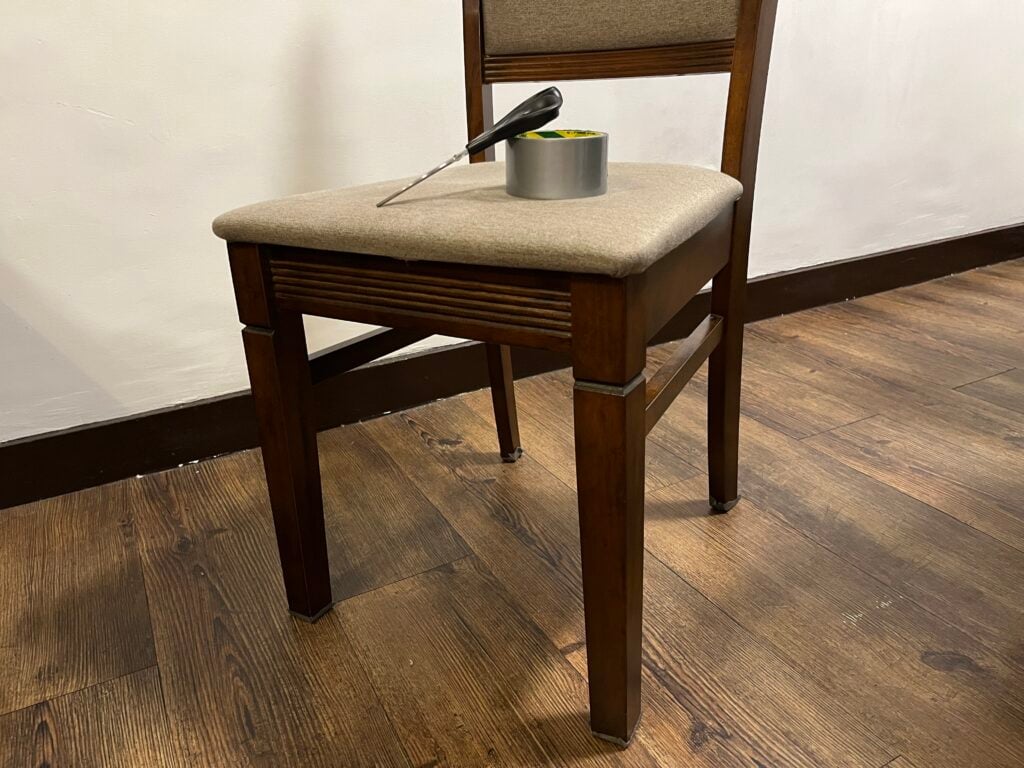
This guide will show you how to use duct tape to protect your floors with just a few simple steps. If you enjoy finding clever ways to use this household staple, check out our guide, Duct Tape Magic: 22 Unexpected Ways to Fix, Craft, and Save, for more practical ideas.
Results can vary depending on the furniture and flooring, and duct tape may leave sticky residue on some surfaces.
Now, let’s get started!
Table of Contents
Materials Needed to Make DIY Duct Tape Furniture Protectors
You only need a few basic items for this DIY floor protection trick. Gather these supplies before getting started.
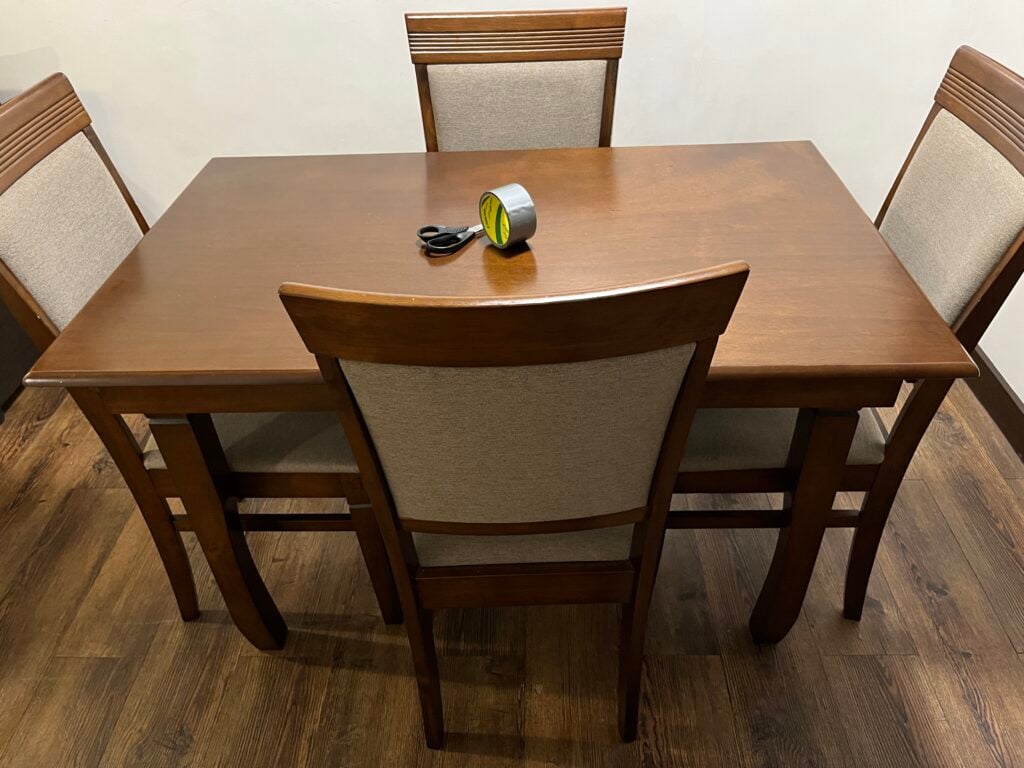
- Duct tape: Use it to cover the bottom of chair and table legs.
- Scissors: Cut the tape into small pieces that fit the furniture legs.
- Chairs or tables: Choose the furniture you want to protect your floors from scratches and scraping sounds.
Related: How To Clean Wood Flooring: A Landlord Answers
How to Apply Duct Tape to Chair and Table Legs to Protect Floors
Applying duct tape to furniture legs is a simple DIY trick that takes only a few minutes. Follow these steps to help protect your floors and potentially reduce scraping noise when moving chairs and tables.
Step 1: Cut Small Pieces of Duct Tape
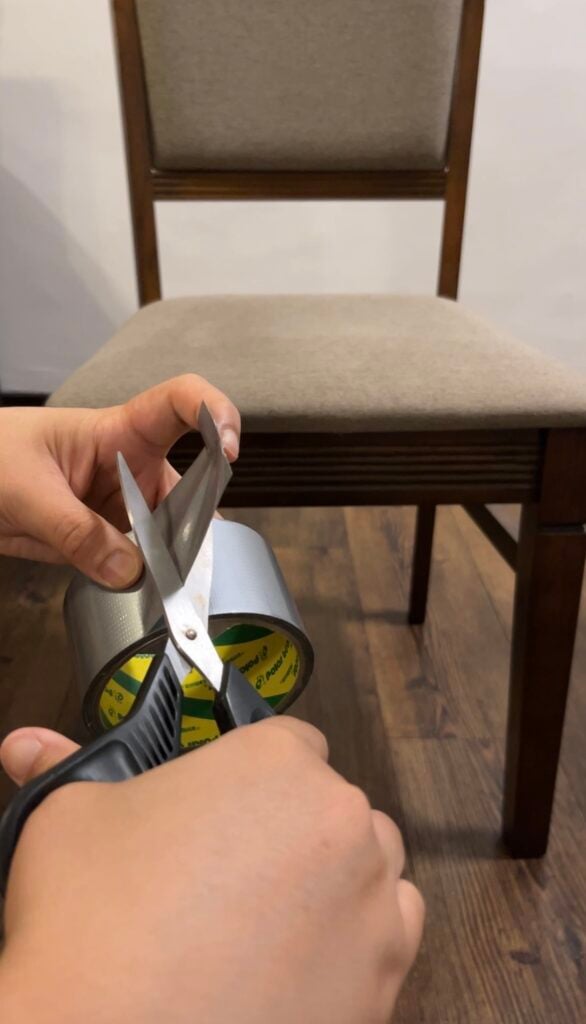
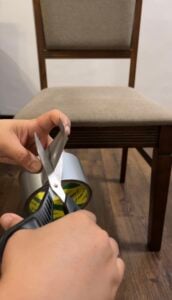
Use scissors to cut small pieces of duct tape that fit the bottom of your chair or table legs. Make each piece large enough to cover the area that touches the floor without leaving too much tape sticking out around the edges.
Step 2: Apply Duct Tape to One Furniture Leg First
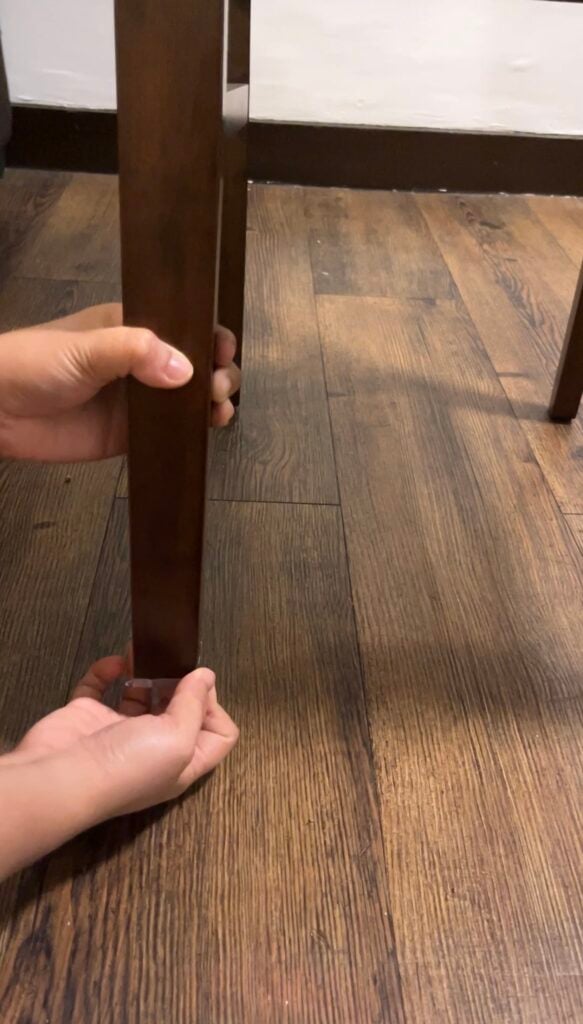
Stick a piece of duct tape to the bottom of one chair or table leg. Press it firmly into place, making sure it covers the contact area and stays secure.
🙋♀️If you like what you are reading, then click like and subscribe to my newsletter. We share tips to waste less time and money.
Step 3: Apply Duct Tape to All the Furniture Legs
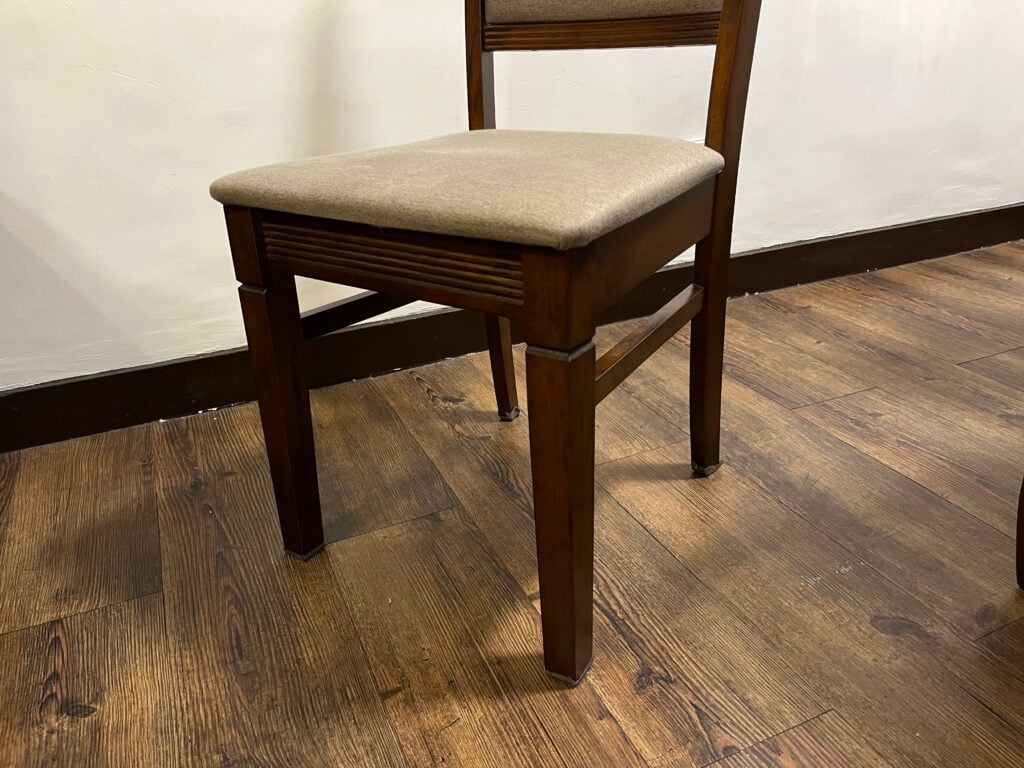
If the first piece stays in place, repeat the process on the remaining legs. Smooth down the tape and check that no loose edges are sticking out where they could catch on the floor.
Step 4: Test the Furniture and Check for Scraping Noise
Carefully move the furniture a short distance to see if the tape stays in place and helps reduce scraping sounds. Check the floor for marks and inspect the tape for loose edges or trapped dirt before continuing to use the furniture.
Related Video: How to Use Cling Wrap to Keep Mats From Sliding

We’ve turned our best tips into quick-read books, and we’re publishing new ones every week. See the full collection here: amazon.com/author/chachingqueen.
Will Duct Tape Really Protect Your Floors From Scratches?
Duct tape can provide a temporary barrier between furniture legs and the floor, but it isn’t a guaranteed replacement for felt pads or rubber furniture protectors. Here are a few things to keep in mind before trying this trick.
- Scratch protection: Covering rough furniture leg bottoms with duct tape may help reduce direct contact with the floor. Dirt trapped underneath or worn tape can still cause scratches.
- Noise reduction: Duct tape may soften scraping sounds when moving chairs and tables, but the results depend on the furniture legs and flooring.
- Sticky residue: Some duct tape adhesives can leave residue or damage delicate floor finishes. Test a small, hidden area first.
- Regular maintenance: Check the tape for dirt, peeling edges, and wear. Replace it when it no longer stays securely attached.
For a quick fix when furniture pads aren’t available, duct tape may be worth trying with caution. For regular use, felt pads or purpose-made furniture protectors are generally a better option for protecting your floors.
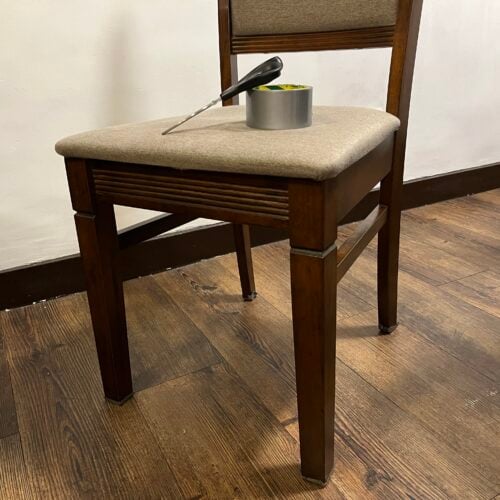
How to Use Duct Tape to Protect Floors From Chair Scratches
Ingredients
- Duct tape
- Scissors
- Chairs or tables
Instructions
- Use scissors to cut small pieces of duct tape that fit the bottom of your chair or table legs. Make each piece large enough to cover the area that touches the floor without leaving too much tape sticking out around the edges.

- Stick a piece of duct tape to the bottom of one chair or table leg. Press it firmly into place, making sure it covers the contact area and stays secure.

- If the first piece stays in place, repeat the process on the remaining legs. Smooth down the tape and check that no loose edges are sticking out where they could catch on the floor.

- Carefully move the furniture a short distance to see if the tape stays in place and helps reduce scraping sounds. Check the floor for marks and inspect the tape for loose edges or trapped dirt before continuing to use the furniture.
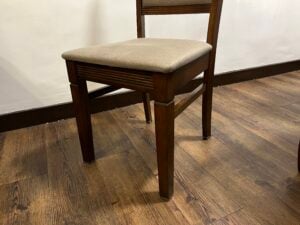
Protect Your Floors From Chair Scratches With This Simple Duct Tape Trick
Scratched floors and noisy chairs can be frustrating, but a few small pieces of duct tape may offer a quick, budget-friendly fix. If you don’t have felt pads or furniture protectors handy, this simple trick is worth considering.
Just remember to test the tape on a hidden area first, check it regularly, and remove it carefully if it starts peeling or leaving sticky residue. For long-term floor protection, felt pads or purpose-made furniture protectors are usually a better choice.
Know someone dealing with scratched floors or noisy furniture? Share this simple duct tape trick with them! A small household tip could save them time, money, and a little frustration.
🙋♀️If you like what you just read, then subscribe to my newsletter and follow us on YouTube.👈